|

"The Awnings Information Guide"Awnings Information
Many years before there were shopping precincts, people enjoyed big shopping from store to store. Taking a nice stroll outside and experiencing the weather, while getting a once-over through shop bay windows. 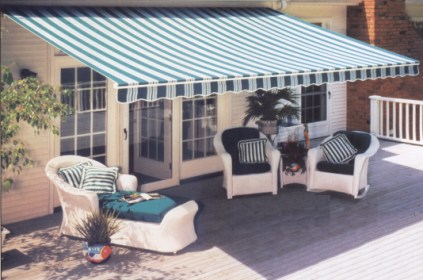
I suspect this is how the glass supermarket run was born. Of passage, the weather wasn't permanently flawless on days, some days may have been too hot and some days it was raining, but that was okay because the stores typically had this big long piece of material something like canopy awnings material, almost like an umbrella, that hung out away from the store. This material created a protection for shoppers if it began to rain, plus on those very hot days, it also provided much shade.
So, what was this device that made window shoppers and buyers lives simpler?Yup! It's called an awning. 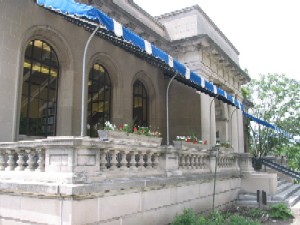 An awning is a covering that is devoted to the outside wall of a construction. An awning is normally made of canvas or acrylic fabric that has been stretched over steel, iron, brass and every so often wood. Some industries have seen the welfares of the awning.
Restaurants have awnings made so big that they can put fixtures and chairs underneath them and they offer an outside dining experience to their patrons. Because of the absolute size of the door awnings, many trades use them as a way to market. Awnings didn't just get off the boat, they have a long and extreme past. Even the ancient Egyptians and Syrians make note of using resources to shade their market stalls. 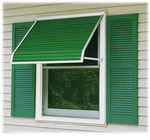 In the Roman Empire, awnings were used to shade the seating parts in amphitheatres. Awnings made their way over to America in the 19th century era. The early versions were uncomplicated and somewhat crude in natural surroundings. Back in those days, the awning was usually rolled up if it didn't rain and when midwinter came, the awning was taken down and supplied. The final part of the 19th era saw encroachments in the awning. Operable awnings were created and this version gave the possessor more flexibility when using the awning. Then came the retractable awnings, which was one more step in creating the awning and making it much less complicated to use. The 20th century era saw the sustained advancement of awnings. This period gave us the folding arm awnings and the lateral arm awning. Though the mechanics of the awning was altering, the covering was not really keeping up. Canvas duck was still the most common awning fabric in the early 20th era. By the 1960s fresh supplies like…polyester and vinyl were being touted as the upcoming of awning covers. 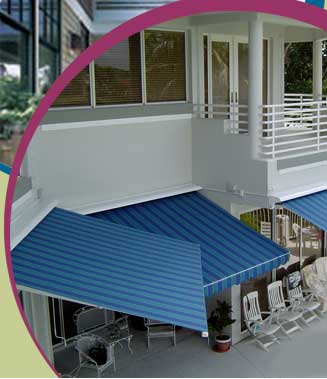 Ironically, during this time the air conditioner was becoming popular and people wondered if the window awnings would become outdated. The awning has proved to be rough, in more ways than one, because it is still around nowadays. The awnings of these days emerge to be more of an advertising tool than just a road-side shade. I have seen some great aluminum awnings PA.
Besides the strip shopping areas, awnings are appearing in notable business regions and residential zones. Awnings, like most devices that live on time, constantly seem to go through cycles. To stay alive, belongings have to modify and adapt and the awnings have been able to do this. Because if you can endure long enough, finally the civic audience will remember why you were terrific. |
|
|
|
|
|
/ Awnings (Home)